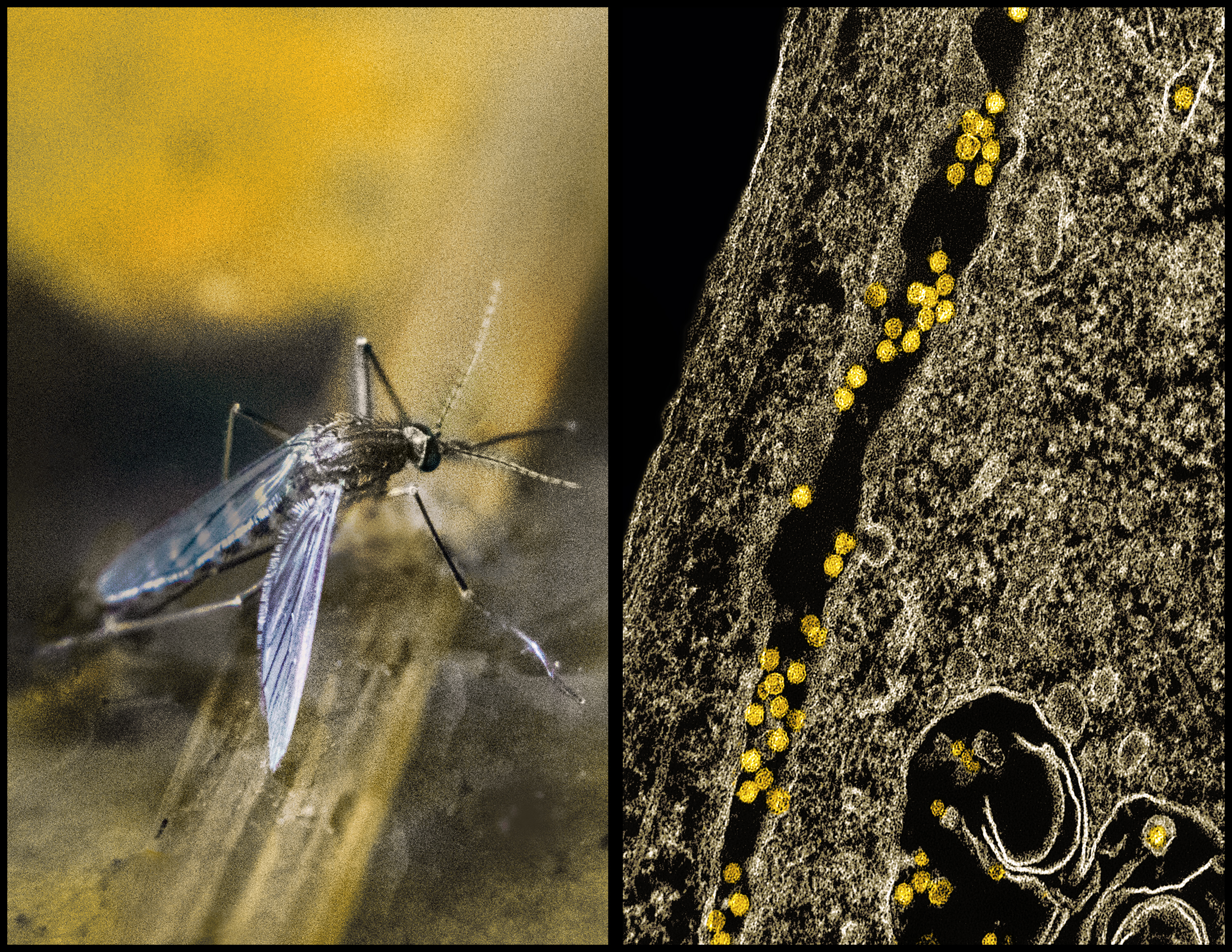
Lake County health officials confirmed the county's first human case of neuroinvasive West Nile virus this year, announcing Tuesday, Sept. 1, that a resident in their 40s fell ill in early August.
Neuroinvasive West Nile virus is the most severe form of the disease. It can cause encephalitis or meningitis.
The diagnosis comes as mosquito surveillance data shows the virus is widespread locally. Of 572 mosquito batches tested in Lake County so far in 2026, 136 have come back positive for West Nile virus, the Lake County Journal reported. That is roughly one in four batches.
The North Shore Mosquito Abatement District, which covers communities near Lake Forest and Lake Bluff, said in early August that West Nile-positive mosquitoes had been detected in every community it serves. The district rated the risk to humans as "low but increasing" as of Aug. 5. No vaccine or preventive medication exists for West Nile virus. Avoiding mosquito bites is the only protection.
The Lake County case was announced the same day Illinois recorded its first West Nile death of 2026, a person in Chicago, according to the Chicago Tribune. More than half a dozen people statewide have contracted the virus this year. In 2025, Illinois saw 150 human cases and 10 deaths, according to the state health department.
Christopher Hoff, executive director of the Lake County Health Department, said outdoor activity during summer months increases exposure to mosquitoes. The department recommends its "4 Ds of Defense":
- Drain standing water from containers around homes, yards and businesses.
- Defend with EPA-approved insect repellent containing DEET, picaridin, oil of lemon eucalyptus, 2-undecanone or IR3535.
- Dawn to Dusk: wear repellent outdoors during peak mosquito hours.
- Dress in long sleeves, pants and closed-toe shoes when outside.
Dr. Sana Ahmed, the health department's medical adviser and prevention medical director, pointed residents to a new Communicable Disease Data Hub showing Lake County's mosquito surveillance data and case counts by year. "Staying informed can help determine the risk for contracting the virus and take necessary precautions," Ahmed said.
Most people infected with West Nile virus show no symptoms. Those who do get sick typically develop fever, nausea, headache and muscle aches three to 15 days after a bite. People older than 60 and those with weakened immune systems face higher risk of severe illness.
Lake Bluff responded to similar conditions in August 2025 by spraying for adult mosquitoes at the health department's recommendation, according to a village alert.
Residents can report stagnant water or dead birds and get West Nile information by calling the health department's hotline at 847-377-8300.