West Nile virus-carrying mosquitoes have now been confirmed in 14 North Shore communities, including Deerfield and Highland Park on Lake Forest's southern border, and the district responsible for mosquito surveillance is warning that infection risk is increasing as August begins.
The North Shore Mosquito Abatement District announced Thursday, July 30, that mosquito batches collected from traps in Winnetka and Glencoe tested positive for West Nile virus for the first time this season. The samples were collected Wednesday, July 29, and confirmed in the NSMAD lab the following day, according to Patch.
The detections bring the total number of affected communities in the NSMAD service area to 14: Evanston, Glenview, Golf, Kenilworth, Lincolnwood, Niles, Northbrook, Northfield, Skokie, Wilmette, Deerfield, Highland Park, Winnetka, and Glencoe.
Deerfield's first positive batch was confirmed as early as July 1, with Highland Park following between July 10 and July 13. Both communities share direct borders with Lake Forest.
What residents should do now
The NSMAD recommends four steps: use an EPA-registered insect repellent when outdoors, wear loose-fitting clothing, avoid peak mosquito feeding times around dawn and dusk, and eliminate any items on your property that can hold standing water.
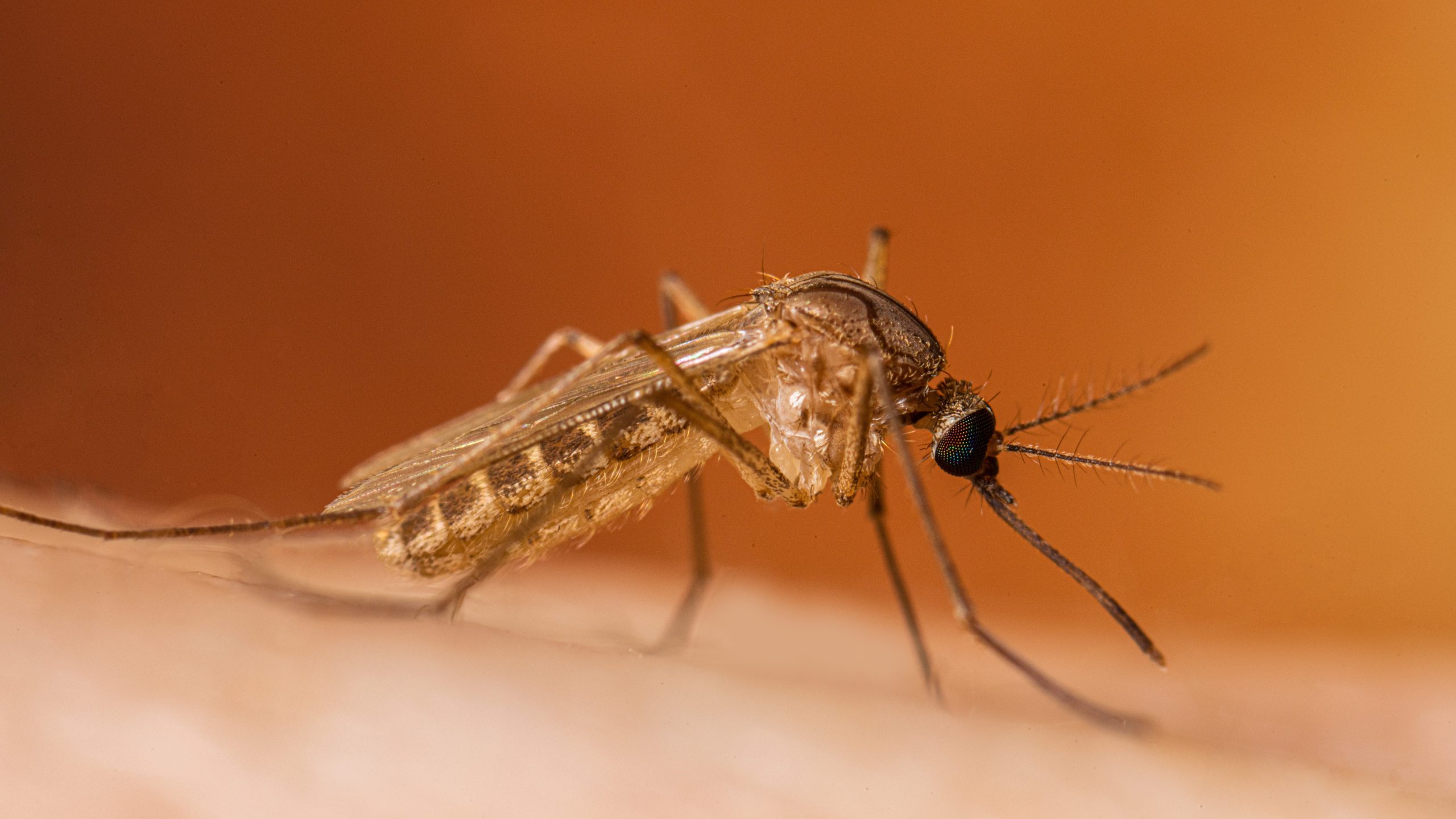
Culex pipiens mosquitoes, the primary West Nile carriers, breed in stagnant water. Buckets, clogged gutters, plant saucers, and kiddie pools left in backyards are common culprits.
As we reported July 2, West Nile virus was first detected in Lake County mosquitoes ahead of the July 4 weekend. The virus has since spread through communities across the North Shore.
August is peak season
Michael Adam, director of environmental health at the Lake County Health Department, told the Chicago Tribune on July 17 that the peak West Nile season is usually July and August. He noted that Lake County recorded 12 human cases in 2025, which he called a "bad year," though no one died. Five people have died from West Nile in Lake County since the virus first arrived in 2002.
"Be prepared, but don't be scared," Adam said in that July 17 interview. "Taking those simple precautions — wearing repellent, avoiding certain areas at dawn and dusk — you can get out and enjoy the wonderful weather, the wonderful areas in Lake County."
Lake Bluff sprayed in August 2025
Lake Bluff has a recent history of mosquito spraying when conditions escalate. The Village sprayed for adult mosquitoes on the evening of August 14, 2025, at the recommendation of the Lake County Health Department, citing high West Nile activity. No 2026 spray date has been announced for Lake Forest or Lake Bluff.
Residents who want advance notice of future spraying can sign up through the Clarke Customer Portal at clarkeportal.com.
Symptoms and risk
West Nile symptoms appear within three to 14 days after a bite from an infected mosquito. Mild cases involve fever and headache. Severe cases can include rapid onset of high fever, disorientation, tremors, and convulsions. Residents 50 and older face the highest risk of serious illness.
The NSMAD's surveillance dashboard at nsmad.org provides the most current trap data by community. No Lake Forest or Lake Bluff-specific positive tests have been publicly confirmed for 2026 as of July 31.