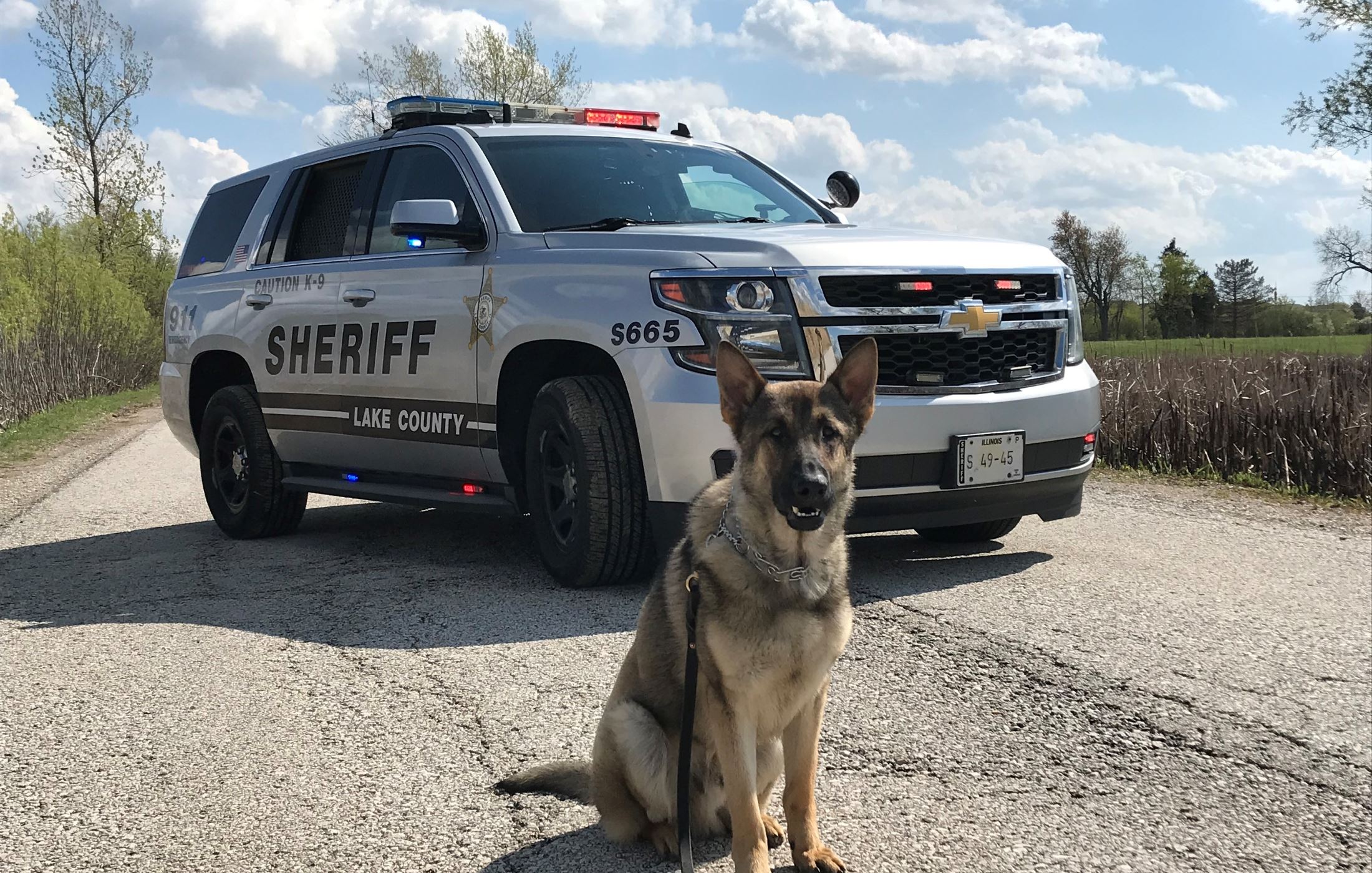
Lake County is not among the jurisdictions where the U.S. Department of Justice deployed election monitors on Tuesday, Nov. 3.
The department sent approximately 1,000 monitors to polling locations in all 50 states for the first time, calling it the "largest monitoring effort in history," according to a department press release. In Illinois, the DOJ listed six jurisdictions: Chicago, Cook County, Champaign County, Sangamon County, St. Clair County and Madison County. Lake County, home to Lake Forest and Lake Bluff, was not included.
Lake County Clerk Anthony Vega told Lake and McHenry County Scanner on Oct. 26 that his office had not received any notice that federal monitors would be sent to the county for the Nov. 3 election. McHenry County Clerk and Recorder Joseph J. Tirio said the same day he had "received no such notice" for his county.
The DOJ had declined to confirm its full list before Election Day. A department spokesperson told the Scanner that monitors would be deployed nationwide but the full list would not be shared until Nov. 3.
Who is watching the polls
The monitors include personnel from the DOJ's Civil Rights Division, other department components, U.S. Attorney's Offices and federal observers from the Office of Personnel Management, the department said. They will check for compliance with federal voting rights laws, including the Voting Rights Act and the Americans with Disabilities Act (ADA).
Assistant Attorney General Harmeet K. Dhillon, who leads the Civil Rights Division, said in the department's statement that the department is "pursuing transparency for elections in an assertive and nondiscriminatory manner."
The department said it prioritizes places with competitive elections and counties covered by Section 203 of the Voting Rights Act. That section requires election materials and assistance in languages voters speak, according to department spokesperson Kiersten Pels, as reported by the Scanner.
Concerns from officials and advocacy groups
The deployment has drawn criticism. Some voting rights groups, including the NAACP, said they believe the monitors could suppress turnout and disenfranchise voters, particularly from minority groups, USA Today reported.
In states with closely contested Senate races, monitors were assigned to cities and counties with disproportionately high levels of Black and Hispanic residents, according to U.S. Census data cited by USA Today.
Some local election officials also raised concerns. Axios reported that officials worried a large wave of observers could intimidate or otherwise interfere with voters. The deployment follows court rulings that rejected DOJ efforts to force states to restrict voting over alleged noncitizen participation, Axios reported.
How it compares
The DOJ sent monitors to 64 jurisdictions in 24 states during the 2022 midterm elections under the Biden administration, the Scanner reported. The department has sent election monitors since the Voting Rights Act was enacted in 1965.
The DOJ's Civil Rights Division previously monitored elections in Lake and Cook counties in Illinois during the March 20, 2012, primary, according to the Scanner.
How to report problems
The U.S. Attorney's Office for the Northern District of Illinois, which covers Lake and McHenry counties, announced a plan with the Civil Rights Division to receive complaints about the voting process. U.S. Attorney for the Northern District of Illinois Andrew Boutros said in a statement that voters must be able to cast their ballots "without interference or intimidation."
Voters who witness potential election fraud, voter intimidation or unlawful voting activity can call the Northern District's hotline at (312) 469-6157. The DOJ's national election issues hotline is 1-800-253-3931, and complaints can be submitted at civilrights.justice.gov/report.