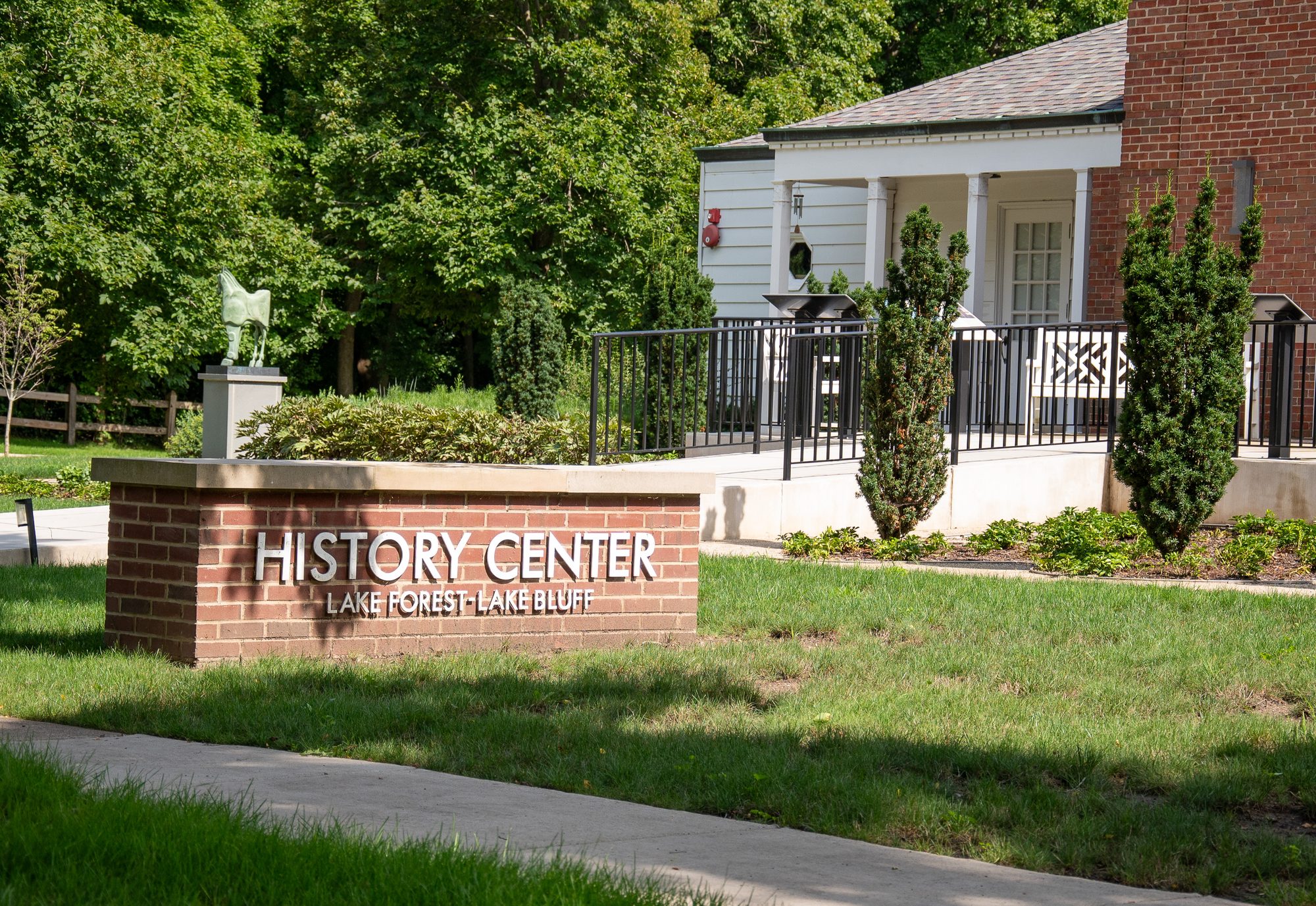
Lake Forest and Lake Bluff residents driving local roads are being photographed by a growing network of AI-powered cameras that capture license plates, vehicle color, make and model, then store the images in a searchable police database. No statewide rule governs how long that data is kept.
More than 260 automated license plate reader cameras operated across Lake County as of a 2024 Sheriff's Office count, and Deputy Chief Christopher Covelli has said the number is likely hundreds higher now, the Chicago Tribune reported Aug. 21. Lake Forest and Lake Bluff are among the communities where Flock Safety cameras are operating.
The cameras are owned by Atlanta-based Flock Safety, valued at $7.5 billion, which charges police departments an annual subscription fee for the devices and database access. The company operates roughly 120,000 cameras across 49 states.
Two bills pending in Springfield would impose Illinois' first standalone ALPR regulations. HB 5151, currently in the House Rules Committee, would create a comprehensive statute covering authorized uses, data retention limits, prohibited uses, reporting requirements and penalties. A Senate companion bill would also address retention and access restrictions. Illinois law currently sets no statewide retention period, leaving each department to write its own rules.
Bipartisan concern on the county board
The debate has drawn unusual bipartisan attention in Lake County politics. Two candidates for county board seats, Democrat Vance Wyatt and Republican Joe Salvi, have both raised concerns about the technology.
Salvi told the Tribune he plans to put the county's Flock contract up for discussion if elected, saying the technology requires "a lot of responsibility" and a real discussion about whether its benefits outweigh the risks. Wyatt, who also serves on the Foss Park District Board, noted that the Foss Park & Beach board recently voted against installing a Flock camera. He said the issue is about recognizing that powerful surveillance technology can be misused.
Privacy advocates push back
DeFlock Lake County, a new local branch of a national anti-ALPR campaign, has been holding informational events encouraging residents to challenge the cameras. The group's founder, Augusta Guffroy, also leads the Northern Illinois Progressives.
Criminal defense attorney Jacob Goldwater of Stone & Associates in Waukegan has spoken at multiple Lake County forums on the issue. He argues ALPR searches should require a warrant, not merely a case number, calling the system a "dragnet search."
"You can't drive more than a mile or two on any major thoroughfare without being captured on one of these devices," Goldwater said.
Opponents point to a recent case in neighboring Kenosha County, where former Sheriff's Deputy Frank McGrath was charged in August 2026 with misusing the Flock database in fall 2025 to track a coworker for personal reasons.
Police defend the tools
Vernon Hills Police Chief Patrick Kreis, whose department was among the first in Illinois to adopt Flock cameras in October 2020, has called ALPRs one of the most effective uses of technology to support public safety since DNA. Vernon Hills requires officers to enter a case number before searching the database. Flock Safety announced it will require that safeguard of all customers by the end of 2026.
At a June 2026 community forum in Waukegan hosted by the AntMound Foundation, Zion Deputy Police Chief Chris Sweeting said his department stores images for 30 days and restricts access to sworn officers with supervisor permission.
What's next
State Sen. Adriane Johnson (D-Buffalo Grove) said she supports safeguards and pointed to HB 5151 and its Senate companion as vehicles for statewide consistency. Neither bill has a scheduled vote. The AntMound Foundation has a third community forum planned for later in August in Vernon Hills, with Chief Kreis as a featured speaker.
For Lake Forest and Lake Bluff residents, the immediate question is local: without state law setting a floor, each police department decides independently how long plate images are stored and who can access them. Neither department's retention policy is publicly documented.